

🆕 What’s New
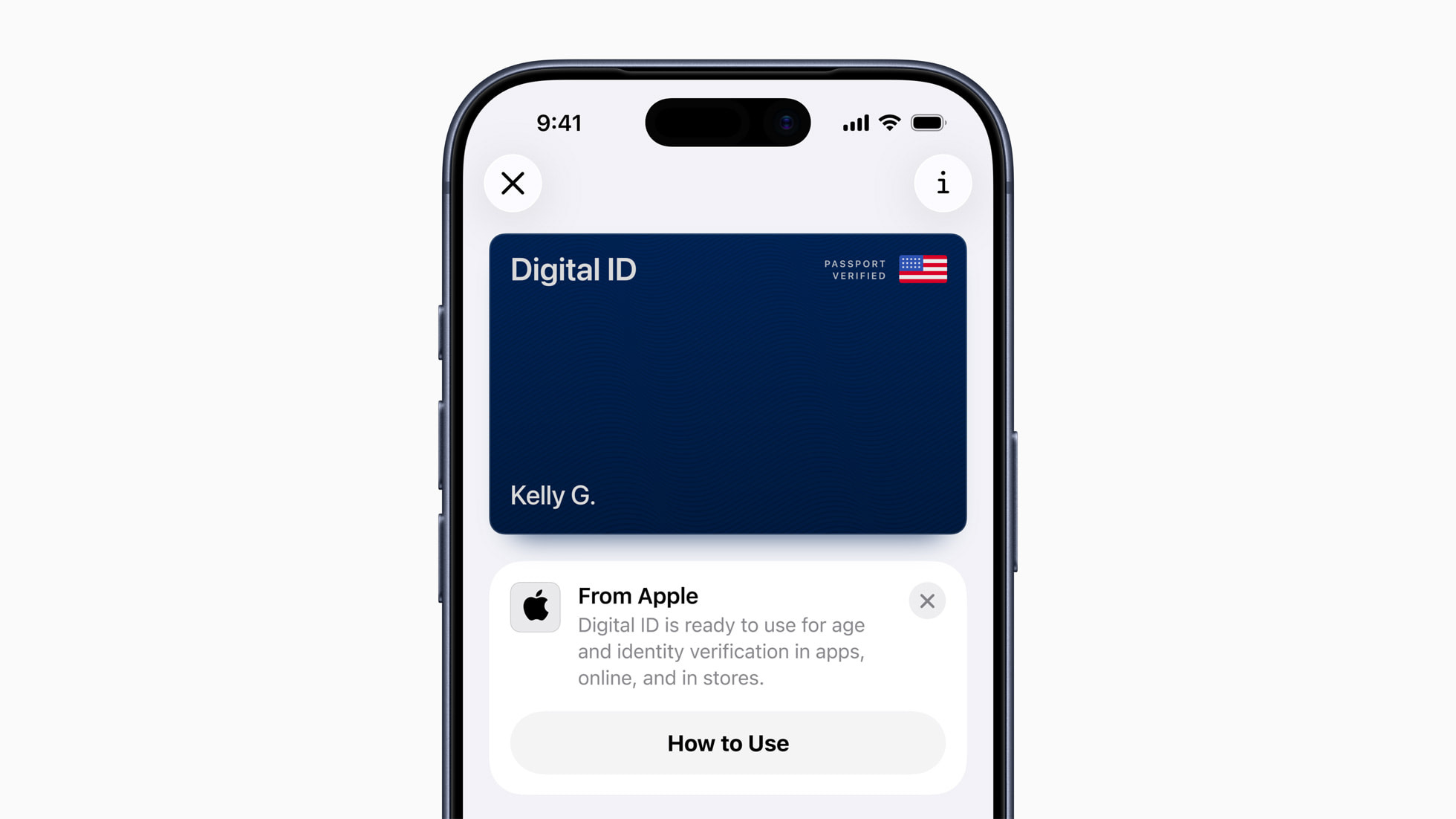
Apple launched Digital ID, letting you create an ID in Wallet using your U.S. passport and use it at TSA checkpoints without pulling out a physical document. It’s fully on-device, private, and gives a clear preview of how identity verification on iPhone will work in the future.
Apple introduced the Mini Apps Partner Program, giving host apps a clearer path to support HTML5 and JavaScript mini apps with proper APIs and earn an 85% revenue share on qualifying IAP. It’s a big push to formalize the mini-app ecosystem on iOS, but it also comes with strict requirements like manifests, Advanced Commerce API, and age-rating integration.
Updated App Review Guidelines now available
Apple released a new round of App Review Guideline updates, tightening age-gating rules, clarifying mini-app requirements, and adding stricter policies around data sharing with third-party AI.
📚 Must Read
Pitfalls of Parameterized Tests
This piece highlights how parameterized tests in Swift Testing can accidentally hide bugs when they mirror implementation details or depend on CaseIterable and zip. The author shows safer patterns using explicit tuples and when parameterization actually makes sense. A quick but important read if you’re migrating to Swift Testing.
Grow on iOS 26: Liquid Glass Adaptation in UIKit + SwiftUI Hybrid Architecture
A deep dive into how the Grow team adapted a UIKit + SwiftUI hybrid app to iOS 26’s Liquid Glass design. The article is full of practical solutions for real problems: morph effects, scroll edge behavior, dynamic navigation bar sizing, and even a custom glass-text effect built with Core Text. If you’re shipping a non-trivial UIKit app and want to modernize it for iOS 26, this one is worth your time.
Transforming AsyncStream with Swift Async Algorithms
A great intro to Swift Async Algorithms and how it fills the gaps left by AsyncStream, bringing Combine-style operators like debounce, throttle, merge, and combineLatest into Swift concurrency.
MainActorMessage & AsyncMessage: Concurrency-safe notifications
Antoine breaks down the new MainActorMessage and AsyncMessage APIs, which finally make NotificationCenter fully concurrency-safe and strongly typed on iOS 26+. They remove the old thread-safety warnings and replace fragile Any-based notifications with clean, typed messages. A must-read if you’re migrating to Swift Concurrency and still rely on NotificationCenter.
🛠️ Toolbox
Temporal released its Swift SDK, letting you build durable, fault-tolerant workflows using familiar async/await and structured concurrency. It brings real workflow orchestration to Swift, so long-running tasks resume automatically even after crashes, a big win for backend teams building pipelines or payment flows.
🍬 One More Thing…
One Swift mistake everyone should stop making today
TL;DR: You should use replacing(_:with:) rather than replacingOccurrences(of:with:)
🗳️ Weekly Poll
📊 Last Week’s Poll Results
How many modules does your main app have?
Top Answer: Under 10
🗓 Upcoming Conferences
November
3-28 — Meet with Apple (Global 🌎)
December
13–15 — Mobile Developers Week Abu Dhabi 2025 (Abu Dhabi 🇦🇪)
January
21–23 — iOS Conf SG (Singapore 🇸🇬)
February
10–12 — Arctic Conference (Oulu 🇫🇮)
March
April
12–14 — Try! Swift Tokyo 2026 (Tokyo 🇯🇵)
12–14 — Deep Dish Swift (Chicago 🇺🇸)
👋 That’s it for this week
If you enjoyed this issue of The iOS Weekly Brief, consider forwarding it to a colleague!
Until next Friday — keep shipping 🍏