

🆕 What’s New
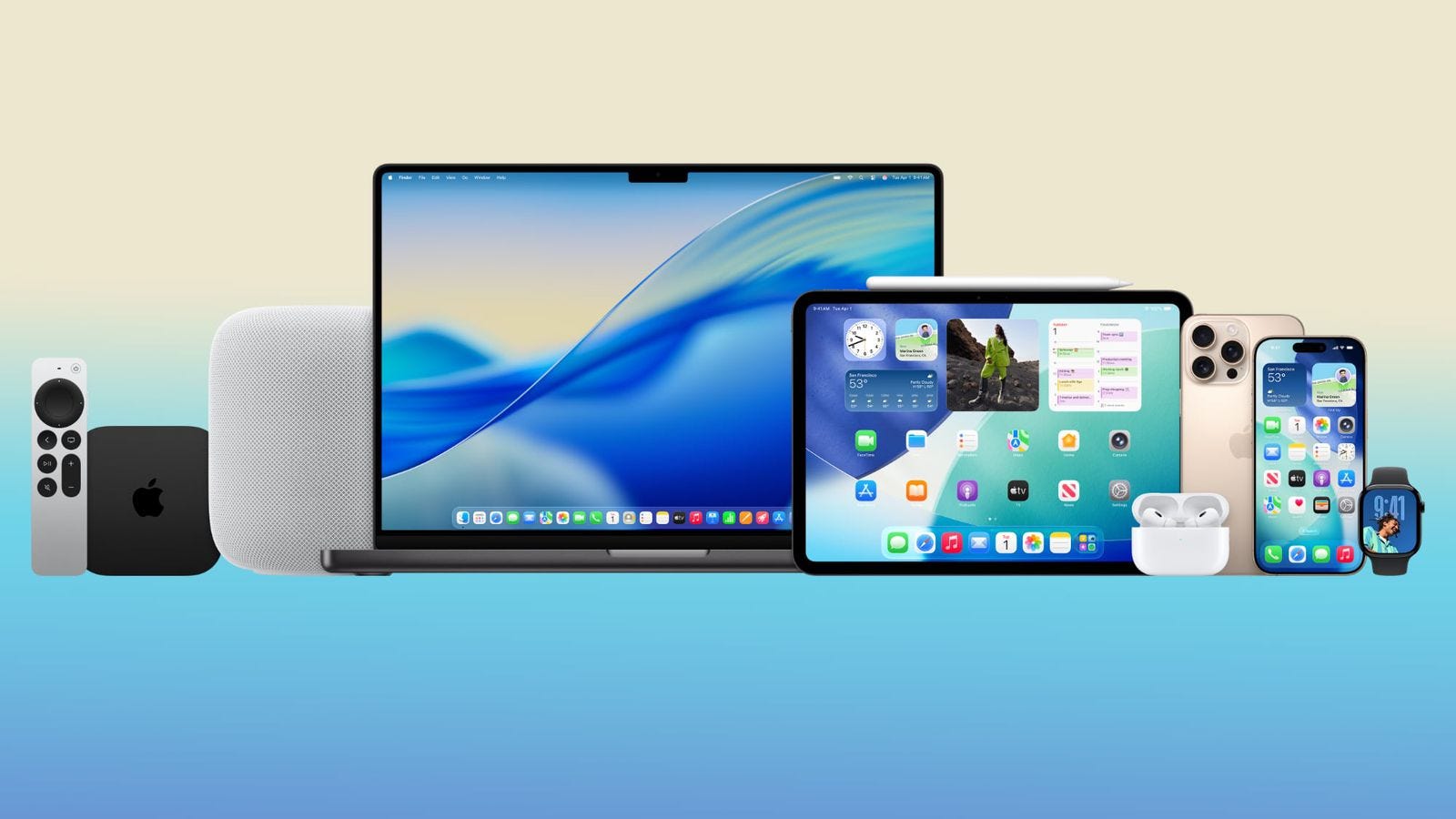
Apple Leak Confirms Work on Foldable iPhone
A leaked Apple prototype running an early build of iOS 26 revealed codenames for dozens of unreleased devices, including a foldable iPhone. Some of the new products are expected in early 2026.
On a personal note, I watched MKBHD’s Samsung Galaxy Z Tri Fold review this week and was genuinely impressed. It feels bold and experimental, and I’d love to see Apple explore similarly ambitious foldable designs.
Xcode 26.2 comes with Swift 6.2.3, updated SDKs, better on-device debugging, and performance improvements for ChatGPT-powered coding assistance.
Additional ads in App Store search results
Starting in 2026, Apple will add more ad placements to App Store search results, pushing organic results further down the page. This makes ASO more competitive and tightly coupled with Apple Ads, especially on high-intent keywords. For indie developers, it likely means organic growth alone will be harder, and promotion without paid ads will become increasingly challenging.
📚 Must Read
Using Apple Foundation Models to Summarize Text
Explore how to use Apple Foundation Models to summarize text fully on-device, walking through availability checks, limitations, and a practical share extension example. A great hands-on intro if you want to experiment with Apple Intelligence in real apps, understand its constraints, and see where on-device LLMs actually make sense today.
Keep Your Strings Clean and Localized in a Single File
A clean, scalable approach to localization that keeps all strings in a single L10n file while still fully leveraging Xcode’s String Catalog. A very practical pattern for large SwiftUI codebases where scattered strings quickly become unmaintainable.
A deep dive into a “Non-Sendable First” design approach that argues for starting with plain, nonisolated types and only adding isolation when it’s truly needed. With NonisolatedNonsendingByDefault, non-sendable types become simpler, more flexible, and often a better default than MainActor or actors. A thought-provoking read that may change how you model concurrency in Swift.
🛠️ Toolbox
A long-form, experience-driven look at CloudKit from eight years of real production use, from the IceCream open-source library to scaling commercial apps with tens of thousands of daily users. Packed with practical insights, trade-offs, and advanced patterns like cross-app data sharing and remote feature flags, this is a great Toolbox pick if you’re considering CloudKit beyond the basics.
🍬 One More Thing…
Why Child State Won’t Update from Parent in SwiftUI
A clear explanation of why State in a child view does not react to parent updates, and why this behavior is by design in SwiftUI. A great reminder to treat State as private view state and reach for let or Binding when data comes from outside.
🗳️ Weekly Poll
📊 Last Week’s Poll Results
How often do you check your app for possible retain cycles?
Top Answer: Rarely, only when a bug appears
🗓 Upcoming Conferences
December
9-26 — Meet with Apple (Global 🌎)
January
21–23 — iOS Conf SG (Singapore 🇸🇬)
February
10–12 — Arctic Conference (Oulu 🇫🇮)
March
April
12–14 — Try! Swift Tokyo 2026 (Tokyo 🇯🇵)
12–14 — Deep Dish Swift (Chicago 🇺🇸)
May
19–21 — MAU Vegas 2026 (Las Vegas 🇺🇸)
June
3–4 — MDevCamp 2026 (Prague 🇨🇿)
October
7–9 — Next.App DevCon 2026 (Berlin 🇩🇪)
👋 That’s it for this week
If you enjoyed this issue of The iOS Weekly Brief, consider forwarding it to a colleague!
Until next Friday — keep shipping 🍏