

This week I’ve been thinking about...
iOS 27 public beta is out, and it looks like one of the most stable betas we have seen in a while! I can even recommend installing it. Most of the new features are about AI, and Siri is smart, can you believe it?
Also, Apple filed a lawsuit against OpenAI this week. I go into the details further down, but honestly this was expected... Apple sees OpenAI as a competitor. They’re both strong companies, each missing exactly what the other one has. I remember thinking a long time ago that Apple should just buy them 😅 Apple has a history of acquiring businesses, and owning OpenAI could have put them in a great spot in the AI world today. Still, I think Apple is doing well on its own, and this new version of iOS with cool AI features confirms it.
What’s New
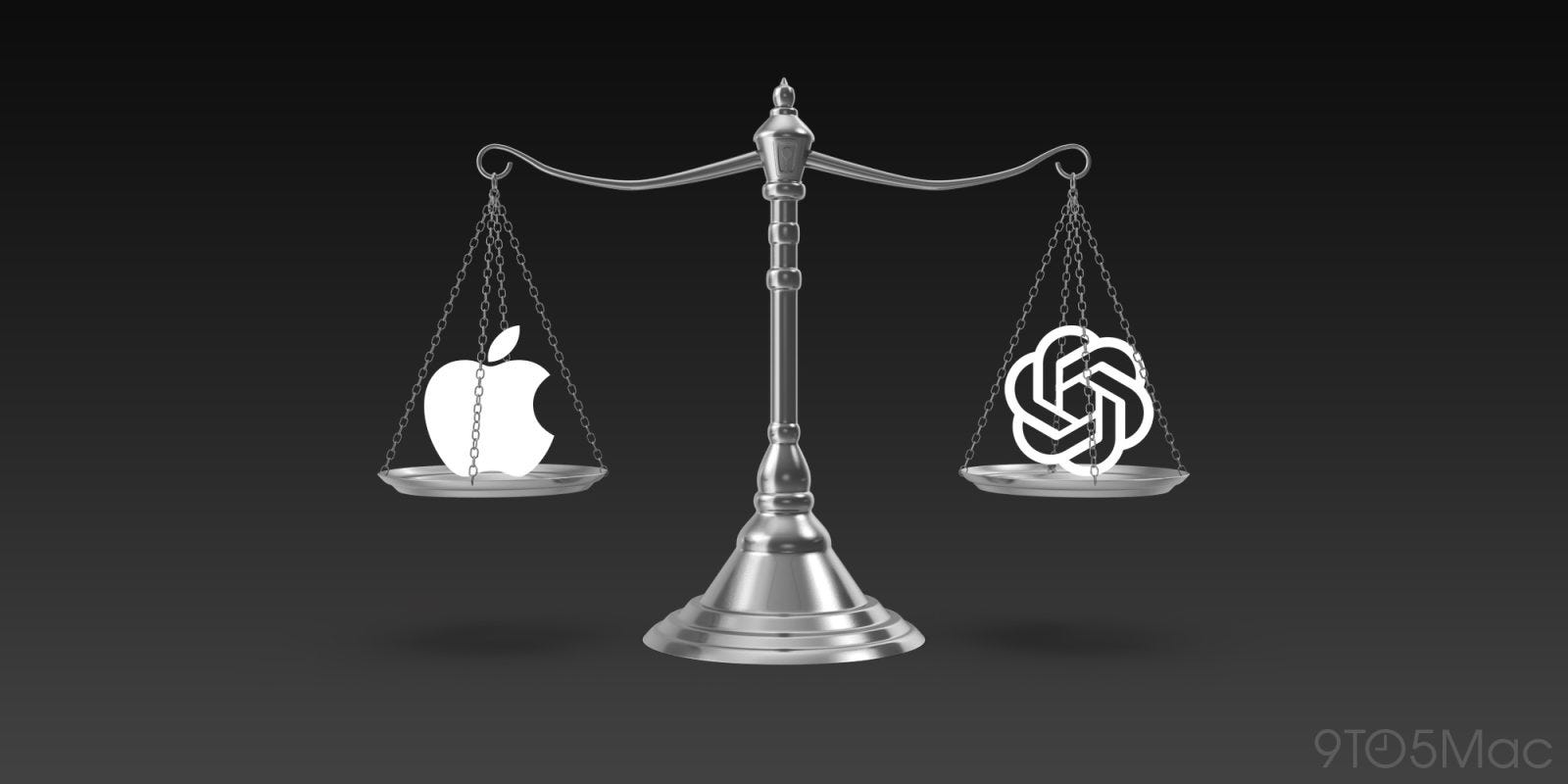
Apple sues OpenAI, accuses ex-employees of stealing trade secrets
This connects directly to something I mentioned last week. We talked about who has the better position in the AI race: a company with hardware and no AI, or a company with AI and no hardware and infrastructure to run it on. Apple is years ahead on hardware, OpenAI is ahead on the AI, and now both companies are trying to close their own gap.
Given that, this lawsuit doesn’t come as a surprise...
Releases
Must Read
The Anatomy of a Reusable SwiftUI View
A design system is one of the smartest investments you can make! If your codebase does not have one, that is a great opportunity for the next six months 😅 Here you can find how to build custom SwiftUI components step by step, and keep custom APIs close to Apple’s native ones.
When you spend most of your time on a project with a design system, it becomes easy to forget how native components behave (trust me). Matching naming, data flow, and interaction patterns to Apple’s own APIs closes that gap between custom and native elements. Do not reinvent the wheel, and keep watching how Apple builds its own components and just mirror that behavior.
Spec Kit (Spec-Driven Development) in an iOS Project
I don’t use a dedicated SDD framework yet, but I follow the approach behind it. Before implementing a feature, I prepare a spec based on resources like Figma and Jira, combined with my codebase, to generate the specification my agents then work from.
A dedicated SDD tool like Spec Kit still feels like overhead to me, but the approach itself is great!
I have not set this up myself, but I see the benefit. I like the approach of saving problem-solving context into memory files, it is similar to what happens with SDD. You get a history of specs and past decisions, so a problem already solved once stays recorded instead of getting re-diagnosed.
I work directly with my agent while implementing, but let’s be real - we don’t need to write the code, we need to prepare specs. When the spec is ready, you hand it to an agent, and it delivers a result without any work on your end. The coding gets done by the agent, and you just need to do the final review and merge into main, easy peasy.
Keeping SwiftData behind a boundary
I remember the same problem with UIKit and Core Data (I’m so old, damn…). Apple mixes database framework knowledge into the UI layer, and that goes against all rules! It always looked wrong to me, so I recommend building wrappers to avoid this and mocking things in tests.
Quick Read
Equatable properties in Observable classes
// Without Equatable, every assignment triggers a view update
struct DeliveryProgress: Equatable {
    var totalStops: Int
}
Liquid Glass can be gradually rolled out
// requires app restart to take effect
UserDefaults.standard.set(true, forKey: "com.apple.SwiftUI.IgnoreSolariumOptOut")
Video
iOS 27 Hands-On: Top 5 New Features!
The public beta of iOS 27 is out, and it looks like one of the most stable betas Apple has shipped in a while. Here’s a rundown of the key new additions.
Toolbox
Really useful when a user attaches everything you need upfront, because otherwise you get a review or a bug report, you need more details to fix it, and by the time you try to reach out the user is already gone. I’ve used similar setups before, just custom-built ones, and here you get a library! Bonus: your coding agent can read the report directly and connect it to your codebase.
iOS Job Market (USA)
33 new iOS positions this week (-30% vs last week · -31% vs last month)
Senior / Mid / Junior — 30% / 67% / 3%
Most wanted skills: SwiftUI 48% · UIKit 36% · MVVM 18% · Combine 15%
This week’s picks:
Software Engineer 3, iOS at Branch (Minneapolis, MN) — 100% Swift + SwiftUI codebase with Combine and async/await throughout; modular architecture powering instant-pay and earned-wage-access products for working Americans → Apply
Software Engineer, iOS/Mobile at Beacon AI (San Carlos, CA) — Swift + SwiftUI + async/await on real-time, safety-critical aviation apps; DoD contracts and major airline partnerships, small team with full ownership → Apply
Weekly Poll
📊 Last Week’s Poll Results
How often do you still search outside your AI agent ?
Top Answer: Rarely
Upcoming Conferences
July
22–23 — Swift Rockies 2026 (Calgary 🇨🇦)
25–26 — iPlayground 2026 (Taipei 🇹🇼)
September
7–11 — Swift Island 2026 (Texel 🇳🇱)
17–18 — NSSpain XIV (Logroño 🇪🇸)
29–2 — MacSysAdmin (Gothenburg 🇸🇪)
October
7–9 — Next.App DevCon 2026 (Berlin 🇩🇪)
12–14 — SwiftLeeds 2026 (Leeds 🇬🇧)
November
2–3 — Swift Connection (Paris 🇫🇷)
10–12 — Do iOS 2026 (Amsterdam 🇳🇱)
19–20 — Swift Bharat (Mumbai 🇮🇳)
20–22 — SwiftSonic 26 (Nashville 🇺🇸)
February 2027
16–18 — ARCTIC Conference (Oulu 🇫🇮)
March 2027
2–4 — try! Swift Tokyo 2027 (Tokyo 🇯🇵)